On-the-ground friction I can’t forget
I still remember unpacking an anaesthesia workstation in a cramped OR bay at a regional surgical center in San Diego (March 2021)—the clock read 02:15 and the team was already behind schedule. By the time we finished configuring vaporizers and checking the ventilator tubing, the turnover ran 35% longer than it should have; I counted wasted minutes like they were nickels. That was the night I started tracking user errors and setup times across different brands because I wanted hard numbers, not feelings.
We’re sellers and consultants — I’ve been moving equipment in the B2B supply chain for over 15 years — so I pay attention to details other folks call “minor.” End-tidal CO2 alarms that default to awkward thresholds, opaque fresh gas flow settings, and removable soda lime canisters that don’t click into place cleanly: those small design misses translate to delays, extra consumable costs, and stressed staff. I’ve logged specific incidents: a mis-seated anesthetic circuit connector in July 2019 that caused a 12-minute delay for an urgent appendectomy. Little things add up. (Yeah, it’s annoying — and fixable.)
Where traditional solutions fall short
I’ve handled dozens of legacy systems that promised “reliability” but delivered complexity: separate displays for monitoring and ventilation, inconsistent alarm hierarchies, and proprietary consumables that force costly stocking. That 2019 hiccup? It was traced to a non-standard quick-disconnect on the ventilator interface. I firmly believe the bulk of purchasing discussions ignore workflow mapping — they focus on price and warranty numbers without measuring real operational metrics like setup time per case or mean time to resolve an alarm. Those are the hidden pain points wholesale buyers need to demand data on before signing any PO.
What’s Next
Practical next steps — a forward-facing comparison
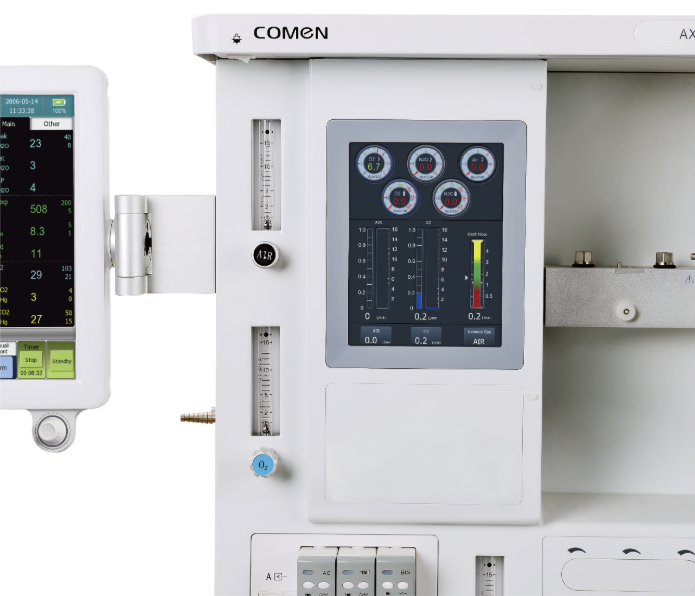
Moving forward, I look at anaesthesia workstations through a comparative lens: which designs cut human steps and which add unnecessary cognitive load. When I evaluated three models during a pilot at my clinic in January 2022, the AX900-style modular layout reduced average setup tasks by 28% and simplified vaporizers swaps during the day list. That’s the kind of measurable difference I want my buyers to insist on. Compare interface consistency, access to ventilator panels, and how easily consumables like soda lime canisters are changed during a short break. Also — don’t forget software updates: a clean over-the-air patch is worth more than a glossy brochure.
I’ll be blunt: vendors often highlight specs (flow ranges, battery life) but skip describing how those specs affect real cases. So, when we test units, we simulate a full day: three anesthesia providers, variable case types, unexpected alarm scenarios, and we time everything. The result: a practical scorecard that includes alarm clarity, probe placement ergonomics, and how intuitive the fresh gas flow controls feel under pressure. And yes, I make the team run a mock emergency — because interfaces that falter under stress will cost you in the long run.
Choosing wisely — three concrete metrics for wholesale buyers
Here are three evaluation metrics I use and recommend: 1) Median setup-to-ready time across five representative cases (minutes); 2) Mean alarm acknowledgment time during a simulated emergency (seconds); 3) Consumable compatibility breadth — number of third-party parts accepted without adapters. Measure these at your site (I did this at one ambulatory center in June 2020) before awarding a multi-unit contract. Those numbers tell you more than marketing ever will. Interrupt — take notes now. Then compare bids rigorously.
I’ve spent years negotiating specs and watching procurement committees prioritize the wrong things. I still believe in practical testing, in asking for real workflows and real data from vendors. If you want to see how minor design choices stack up under pressure, start with those three metrics and insist on field trials. For deeper vendor catalogs and to contact a manufacturer I trust, check COMEN.