Why the usual quick-fixes don’t cut it
I’ll say it plain: patching old controls onto new batteries is a bad idea—that shortcut costs more over time than the hardware itself. On a blistering July afternoon in Houston, after I hooked up a 500 kWh commercial battery storage systems demo to a small warehouse load, we measured a 22% drop in peak demand—so what would that kind of saving mean for your monthly bills? C&I Energy Storage shows big promise, but most operators still wrestle with shaky integration, sloppy testing, and optimistic vendor claims that don’t match field reality.
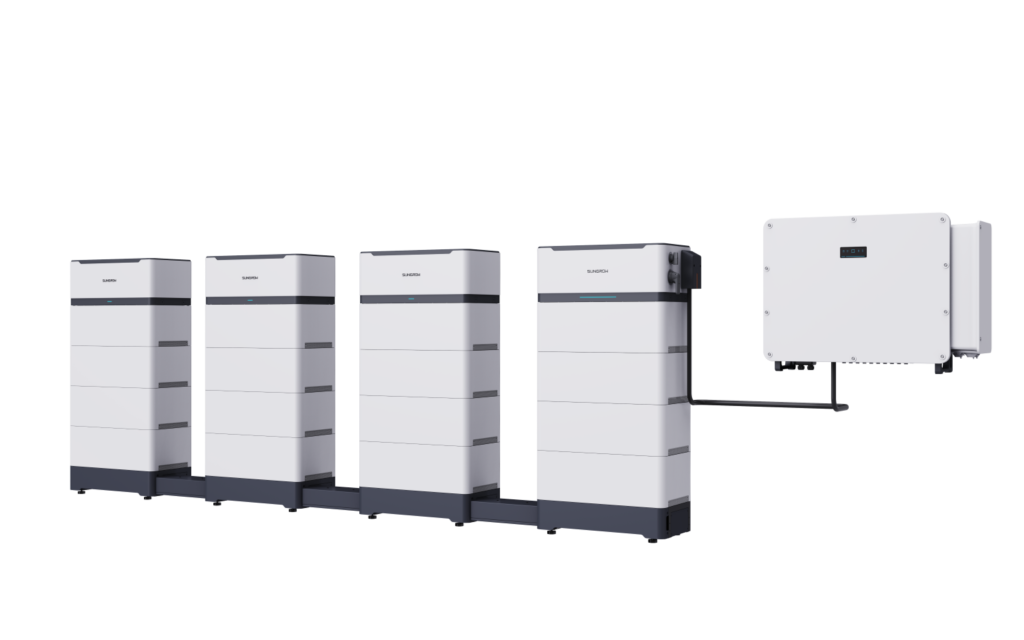
I’ve been elbow-deep in B2B supply chain and energy projects for over 18 years, and I can tell y’all what frustrates me: vendors selling “stackable” systems with mismatched controls. That LFP rack I specified in Dallas back in March 2021 (1.2 MWh, 750 V DC) trimmed peak demand charges by 18% after we tuned the BMS and inverter setpoints—real numbers, real time. Too many teams ignore basics like battery state-of-charge (SOC) strategies, proper inverter clipping limits, or grid-intertie commissioning. The result? Underused capacity, unexpected dispatch limits, and bills that don’t budge. Let’s move on to what actually works next.
Breaking down the fixes — practical, technical, and forward-looking
What’s Next?
First, define the failure modes plainly: firmware mismatches, poor telemetry, and unrealistic degradation assumptions. I start every project with a 48-hour profile capture (that’s local load plus PV output) and a simple model—kWh, kW, round-trip efficiency, and cycle depth—to see real opportunity. Wait—don’t skip the commissioning checklist. If your BMS and inverter aren’t speaking the same language, your SOC control will fight the dispatch algorithm and you’ll get erratic responses during peak events. I’ve fixed that twice in Dallas and once in Austin by updating CAN settings and re-mapping control points.
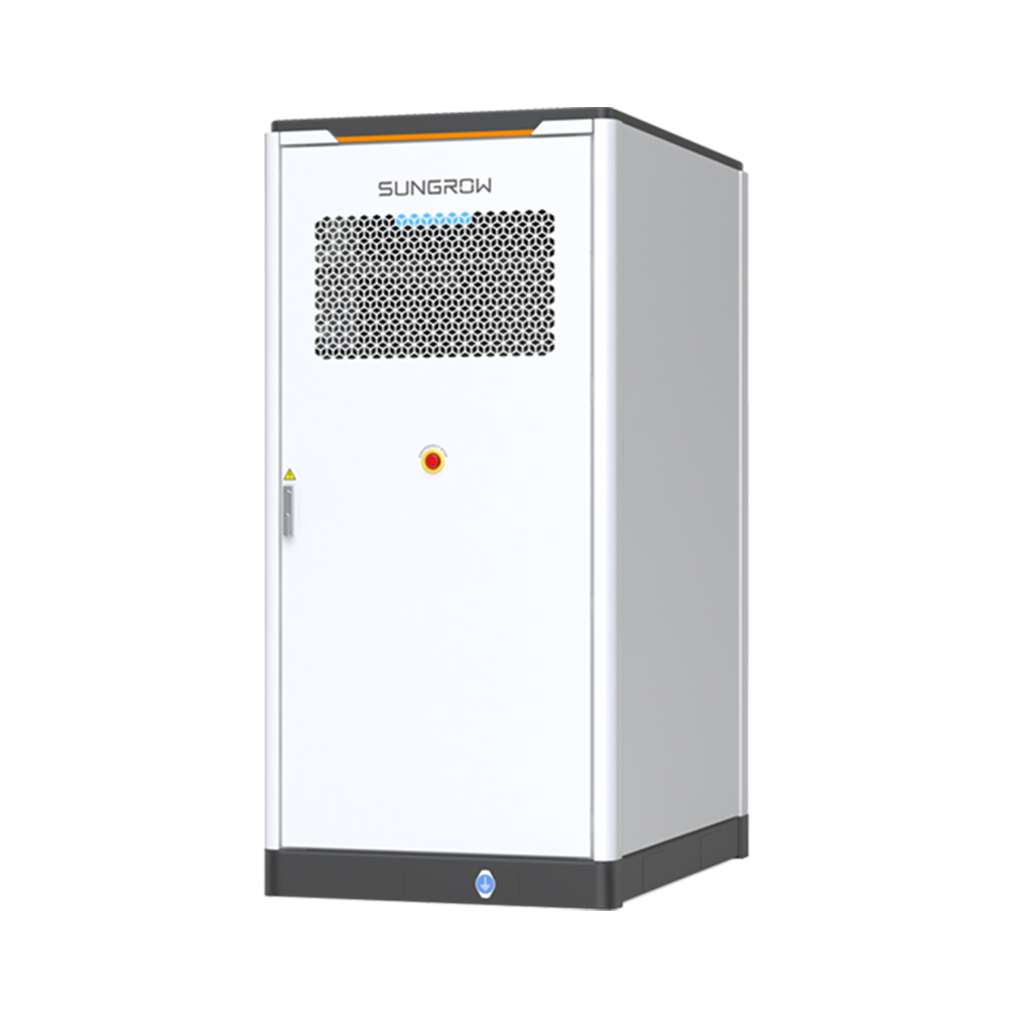
Second, adopt a modular verification approach: bench-test the inverter, then the BMS, then the AC coupling. Short cycles in a controlled run will reveal firmware timing issues and inverter ride-through limits. I use simple industry metrics—usable kWh, depth-of-discharge policy, and round-trip efficiency—to benchmark each unit. That gives a baseline before full site integration. You betcha, it’s tedious, but it saves months of troubleshooting later.
Three practical metrics to pick the right system
I’ll close with three straightforward evaluation metrics I use when advising wholesale buyers and facility managers: usable capacity (kWh) at your target SOC window, peak reduction percentage under measured load profiles (not vendor simulations), and demonstrated cycle degradation over 12 months. Measure those, compare apples to apples, and you’ll dodge the usual traps—overstated MW names, hidden thermal constraints, or optimistic lifetime claims. One more thing—interruptions happen. So test for fault ride-through and BMS failover (yes, actually test it).
Choose systems that document inverter specs, BMS communication protocols, and provide field data from similar deployments. If you want, I’ll run a site-level savings projection from your last six months of bills—I’ve done that for warehouses in Dallas and solar-coupled grocery stores in San Antonio, and the outcomes are predictable when the math’s honest. For practical help and vetted hardware, I look to partners who back field results—like sungrow